Signs of a Failing Water Pump in a Car and Solutions
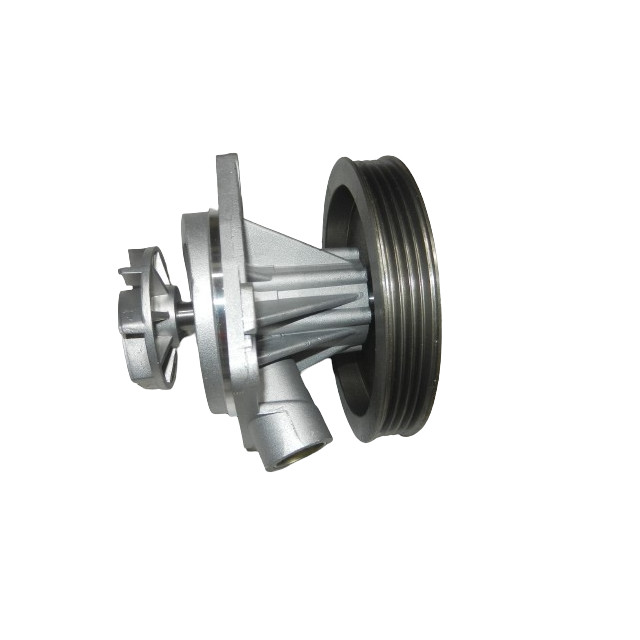
The water pump is a vital component of your car’s cooling system, responsible for circulating coolant through the engine and radiator to prevent overheating. A failing water pump can lead to serious engine damage if not addressed promptly. Recognizing the warning signs and knowing how to respond can save you from costly repairs and keep your vehicle running smoothly. Below are the key symptoms of a failing water pump and practical solutions to address them.
Signs of a Failing Water Pump
1. Coolant Leaks
A failing water pump often develops leaks due to worn seals or gaskets, causing coolant to drip. You may notice a puddle of green, orange, or red fluid (depending on your coolant type) under the car, typically near the front of the engine.
2. Overheating Engine
If the water pump isn’t circulating coolant effectively, the engine can overheat. You might see the temperature gauge on your dashboard climb into the red zone or a warning light appear.
3. Whining or Grinding Noises
Worn bearings or a loose pulley in the water pump can produce whining or grinding noises from the front of the engine, often more noticeable during acceleration.
4. Steam from the Radiator
Steam coming from under the hood indicates severe overheating, often due to a water pump failing to circulate coolant, causing the coolant to boil.
5. Wobbly Pulley or Loose Belt
The water pump is typically driven by the serpentine or timing belt. A failing pump may cause the pulley to wobble or the belt to slip, leading to squealing noises or poor performance.
6. Low Coolant Levels
Unexplained drops in coolant levels, even without visible leaks, may indicate an internal water pump failure, such as a leaking seal allowing coolant to evaporate or enter the engine.
Solutions for a Failing Water Pump
Addressing water pump issues promptly is essential to prevent engine damage. Here are the steps to take for each symptom:
1. Address Coolant Leaks
- Solution: Inspect the area under the car for coolant puddles. If the leak is near the water pump, have a mechanic replace the pump or its seals/gaskets. Top off the coolant with the manufacturer-recommended type after repairs.
- Cost Estimate: Water pump replacement typically costs R300+, depending on the vehicle and labor rates.
2. Respond to Engine Overheating
- Solution: If the engine is overheating, pull over safely and turn off the vehicle to prevent damage. Check coolant levels and look for leaks. Have a mechanic inspect the water pump and cooling system components (e.g., radiator, thermostat). Replacing the water pump should restore proper coolant flow.
- Additional Tip: Ensure the radiator and cooling fans are functioning to rule out other causes of overheating.
3. Investigate Whining or Grinding Noises
- Solution: Noises from the water pump suggest worn bearings or a loose pulley. A mechanic can confirm the issue by inspecting the pump. Replace the water pump and check the drive belt for wear, as it may need replacement too.
- Preventive Maintenance: Regularly inspect belts and pulleys during routine maintenance to catch issues early.
4. Address Steam from the Radiator
- Solution: If you see steam, stop driving immediately to avoid engine damage. Allow the engine to cool, then check coolant levels. Have a professional replace the water pump and inspect the cooling system for additional issues, such as a damaged radiator or hoses.
- Note: Driving with an overheating engine can cause warped cylinder heads or a blown head gasket, leading to expensive repairs.
5. Fix a Wobbly Pulley or Loose Belt
- Solution: Check the water pump pulley for excessive play by gently wiggling it. If it’s loose, replace the water pump. Inspect the serpentine or timing belt for wear and replace it if necessary, as a failing pump can damage the belt.
- Pro Tip: If your car uses a timing belt, replace the water pump during timing belt service (typically every 60,000–100,000 miles) to save on labor costs.
6. Handle Low Coolant Levels
- Solution: If coolant levels drop without visible leaks, the water pump’s internal seals may be failing. Have a mechanic inspect and replace the pump. After repairs, flush and refill the cooling system to ensure proper coolant circulation.
- Regular Checks: Monitor coolant levels monthly via the reservoir to catch issues early.
Preventive Measures to Extend Water Pump Life
- Regular Coolant Changes: Flush and replace coolant every 30,000 miles or as recommended to prevent corrosion that can damage the water pump.
- Check for Leaks: Routinely inspect under the car and around the engine for coolant leaks.
- Timing Belt Maintenance: If your vehicle has a timing belt-driven water pump, replace the pump during timing belt service to avoid future issues.
- Use Quality Coolant: Always use the manufacturer-recommended coolant to prevent damage to the pump and cooling system.
When to Seek Professional Help
Water pump replacement is a complex task, often requiring the removal of belts, pulleys, or other components. If you notice any of these symptoms, consult a trusted mechanic for a professional diagnosis. They can pressure-test the cooling system and confirm whether the water pump needs replacement. Acting quickly can prevent costly engine repairs, such as fixing a warped head or replacing a seized engine.
Conclusion
A failing water pump can lead to serious engine damage if ignored. By staying alert to signs like coolant leaks, overheating, unusual noises, or low coolant levels, you can address issues before they escalate. Regular maintenance, timely repairs, and professional inspections will keep your cooling system in top shape, ensuring your car runs reliably for years to come. If you suspect a water pump problem, don’t delay—get it checked to protect your vehicle’s engine.