Signs of Worn Out Brake Pads in a Car and Solutions
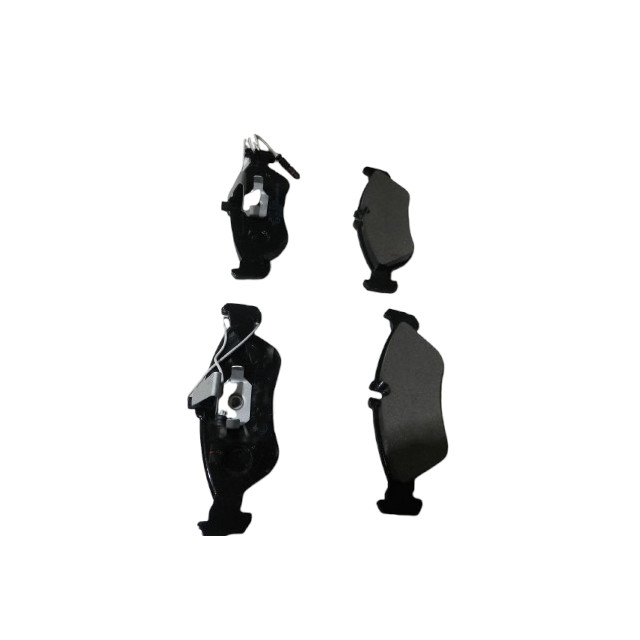
Brake pads are a critical component of your car’s braking system, providing the friction needed to slow down or stop your vehicle. Over time, brake pads wear out due to regular use, and failing to address this can compromise safety and lead to costly repairs. Recognizing the signs of worn-out brake pads and knowing how to respond can keep you safe on the road. Below are the key symptoms of worn brake pads and practical solutions to address them.
Signs of Worn Out Brake Pads
1. Squealing or Screeching Noises
A high-pitched squealing or screeching sound when you apply the brakes is often the first sign of worn brake pads. Most brake pads have a built-in wear indicator—a small metal tab that contacts the rotor when the pad is thin, producing this noise.
2. Grinding or Growling Sounds
If the squealing progresses to a grinding or growling noise, the brake pads may be severely worn, causing metal-to-metal contact between the pad’s backing plate and the rotor. This can damage the rotors and reduce braking efficiency.
3. Reduced Braking Performance
Worn brake pads can lead to longer stopping distances or a spongy brake pedal feel. You may need to press the pedal harder to slow down, indicating that the pads are too thin to provide adequate friction.
4. Vibration or Pulsation When Braking
If you feel a vibration or pulsation in the brake pedal or steering wheel when braking, the brake pads may be worn unevenly or have caused damage to the rotors. This can also indicate warped rotors due to excessive heat from thin pads.
5. Brake Pad Wear Indicator Light
Some modern vehicles have a dashboard warning light that illuminates when brake pads are worn. This electronic sensor alerts you when the pads need replacement.
6. Visible Thinning of Brake Pads
You can visually inspect your brake pads through the wheel spokes. If the pad material is less than 1/4 inch thick (about 6 mm), it’s time to replace them. Compare this to new pads, which are typically 10–12 mm thick.
Solutions for Worn Out Brake Pads
Addressing worn brake pads promptly is essential for safety and to prevent damage to other braking components. Here are the steps to take for each symptom:
1. Address Squealing or Screeching Noises
- Solution: If you hear squealing, have your brake pads inspected immediately. Replace them if they’re worn down to or near the wear indicator. A mechanic can also check the rotors for scoring or damage.
- Cost Estimate: Brake pad replacement typically costs R300+ per axle (set), depending on the vehicle and labor rates.
2. Respond to Grinding or Growling Sounds
- Solution: Grinding indicates severe wear, likely damaging the brake disc. Stop driving to avoid further damage and have a mechanic replace the brake pads and resurface or replace the brake discs if needed. Delaying can lead to more expensive repairs.
- Additional Cost: Brake disc resurfacing or replacement adds R150 per disc to the repair cost.
3. Fix Reduced Braking Performance
- Solution: If braking feels weak or the pedal is spongy, have a professional inspect the brake pads, brake disc, and hydraulic system. Replace worn pads and bleed the brake lines if air is present. Ensure the calipers and brake fluid are in good condition.
- Preventive Tip: Test your brakes in a safe area if you notice changes in performance.
4. Address Vibration or Pulsation
- Solution: Vibrations may require replacing the brake pads and resurfacing or replacing warped rotors. A mechanic can measure brake disc thickness and runout to determine the best course of action. Ensure proper bedding-in of new pads to prevent future uneven wear.
- Note: Uneven pad wear may also indicate stuck calipers, which should be repaired or replaced.
5. Respond to Brake Pad Wear Indicator Light
- Solution: If the wear indicator light comes on, schedule a brake inspection immediately. Replace the brake pads and have the sensor reset or replaced if necessary. This light is a proactive warning, so act quickly to avoid further wear.
- Maintenance Tip: Check your owner’s manual to confirm if your vehicle has this feature.
6. Replace Visibly Thin Brake Pads
- Solution: If you confirm the pads are less than 1/4 inch thick, replace them promptly. A mechanic can perform the replacement and inspect rotors, calipers, and brake hardware for wear. If you’re comfortable, you can replace pads yourself with the right tools and safety precautions.
- DIY Consideration: Ensure you have the correct pads for your vehicle and follow proper installation procedures, including lubricating caliper pins.
Preventive Measures to Extend Brake Pad Life
- Drive Smoothly: Avoid aggressive braking, which accelerates pad wear. Anticipate stops and brake gradually.
- Regular Inspections: Check brake pads every 10,000–15,000 km or during routine maintenance like tire rotations.
- Use Quality Brake Pads: Choose high-quality pads (ceramic or semi-metallic, depending on your vehicle) for better durability and performance.
- Monitor Driving Conditions: Frequent stop-and-go driving, towing, or driving in hilly areas can wear pads faster, so inspect them more often.
When to Seek Professional Help
While some experienced DIYers can replace brake pads, professional service is recommended for most drivers due to the complexity and safety implications. A mechanic can ensure proper installation, check rotors and calipers, and test the braking system. If you notice any of these symptoms, don’t delay—have your brakes inspected to maintain safety and prevent costly damage to rotors or other components.
Conclusion
Worn brake pads compromise your car’s safety and can lead to expensive repairs if ignored. By staying alert to signs like squealing, grinding, reduced braking performance, or vibrations, you can address issues early. Regular inspections, smooth driving habits, and timely replacements will keep your braking system reliable. If you suspect worn brake pads, act quickly—consult a trusted mechanic to ensure your vehicle remains safe on the road.